A 4-room BTO living room rarely fits more than a three-seater sofa — which is why most owners end up kicking their feet up on the coffee table. Ottomans solve that problem while doubling as storage, but choosing the wrong size leaves them blocking walkways or looking lost in the space. For HDB flats under 90 sqm, compact 40–60cm square models with lift-top storage work best; they tuck under console tables by day, then pull out for movie nights without dominating narrow corridors.
Resale flats with larger living areas (12–16 sqm) can handle 70–90cm rectangular ottomans — especially in homes where kids use them as makeshift play tables. The trick is matching the piece to the sofa’s depth; an 80cm-wide ottoman placed perpendicular to a 2.4m sectional creates instant extra seating without crowding the TV console. Landed property owners often go for 100cm+ statement pieces in performance velvet or full-grain leather, though these demand careful spacing — anything wider than 120cm starts resembling a second coffee table.
Condos with open-plan layouts benefit most from dual-purpose designs. A 60cm round ottoman with a tray top serves drinks during gatherings, then stores spare bedding at night; in many 12 sqm master bedrooms, that’s the only place to stash winter coats or luggage. An ottoman is one of the most under-rated pieces in a small Singapore living room — extra seating when guests come over, footrest during the daily wind-down, sometimes a coffee-table substitute when the room layout demands flexibility. Megafurniture's Ottoman collection covers footrest, square, lift-top storage, and round designs in fabric, leather, faux leather, velvet, and rattan. Lift-top storage variants typically hold 60–80 litres of contents — useful for blankets, board games, or seasonal items.. Just avoid bouclé or loose-weave linen upholstery if it’ll double as a footrest — fabrics prone to pilling show wear faster when shoes rub against them daily.
Storage ottomans under $400 typically use rubberwood frames with polyester-blend cushions — fine for occasional use, but frequent sitters will want thicker high-resilience foam. For recliner owners, height matters more than width; an ottoman 5–8cm lower than the sofa seat prevents awkward knee angles. Megafurniture’s collection includes several 45cm models that slot neatly between armchairs in Tampines showroom configurations.
The ottoman stool sits in the middle ground between footrest and proper seating — taller than a pure footrest, more compact than a chair, easier to move than either. Megafurniture's Ottoman Stool range covers fabric-upholstered, faux-leather, velvet, and natural-fibre designs across heights from 35cm low footrests through 50cm proper stool heights. Most pieces fit comfortably alongside HDB and condominium sofas without crowding tight living rooms..
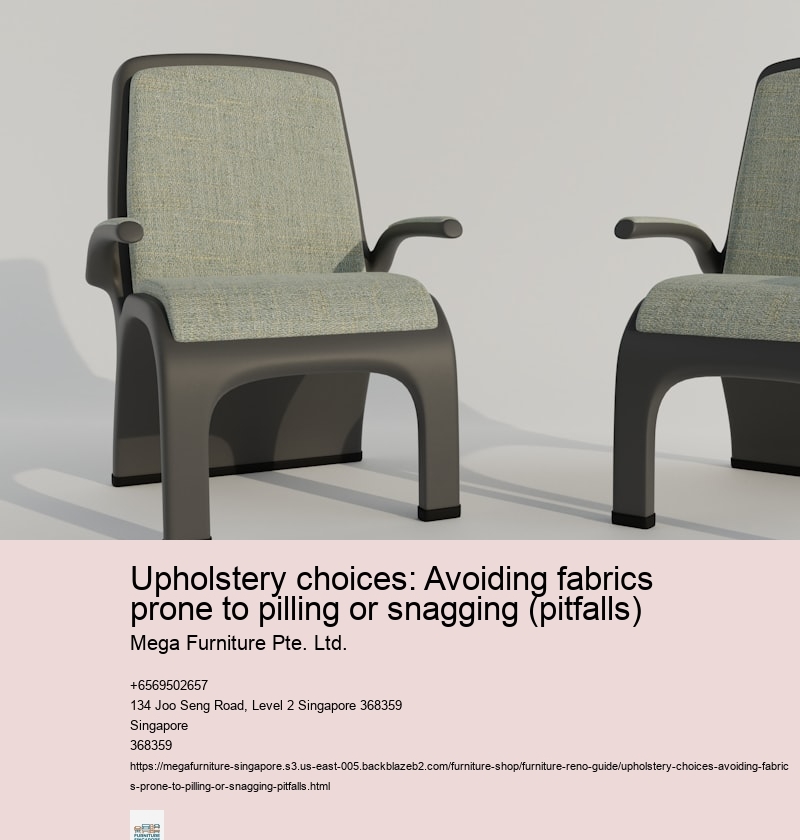
Singapore’s humidity doesn’t just frizz hair—it warps plywood, breeds mould in foam cushions, and turns pet claws into upholstery shredders. A cat’s kneading habit becomes lethal for loosely woven linens; a golden retriever’s post-rain paw prints leave permanent stains on uncoated cotton. Minimalist Armchair . The ottoman you chose as a footrest? That’s now your terrier’s favourite scratching post.
Performance fabrics like Crypton or Sunbrella hold up better—their tight weaves resist snags, while stain-resistant coatings prevent sweat and paw marks from setting. Polyester blends outperform natural fibres here, drying faster after spills and resisting the musty smell that clings to damp linen. For households with pets, avoid bouclé or chenille textures—their loops are irresistible for claws.
Storage ottomans in rubberwood or powder-coated steel frames survive better than MDF in humid climates. Look for ventilation gaps under the base to prevent trapped moisture. Megafurniture’s collection includes models with removable, washable covers—a necessity when your corgi sheds onto taupe fabric during monsoon season.
Leather’s a gamble. Full-grain develops character with scratches, but bonded leather peels in humidity. One Tampines homeowner reported her $1,200 ottoman’s faux leather cracking within eight months—directly under the aircon vent where condensation pooled.
Small spaces force compromises. That 40cm round ottoman doubling as a side table? Its rattan weave won’t survive a kitten’s climbing phase. Go for square, upholstered models with tight seams—fewer edges to fray when your rabbit chews the corners.
Run your fingers across the fabric — tight weaves resist snagging better than loose ones, especially when kids climb on ottomans or guests drag handbags across them. Look for at least 200 threads per square inch in cotton blends or performance fabrics; anything looser shows wear within months in high-traffic areas like HDB living rooms. Tight weaves also prevent stuffing from shifting when the ottoman doubles as impromptu seating during CNY gatherings. Test by trying to separate threads with a fingernail — if gaps appear easily, expect pilling. Megafurniture's collection typically stocks ottomans with 220–260 thread counts in their mid-range models.
Double stitching isn't just for show — it's what keeps seams from splitting when someone plops down on an ottoman after a long day. Check corners and stress points where fabric meets frame; single-stitched versions develop gaps that catch rings or phone chargers. Industrial-grade polyester thread holds up better than cotton against Singapore's humidity, though some premium lines use nylon blends. Avoid visible loose threads or uneven tension — these signal rushed production that won't withstand 4-room BTO living room use.
Lightweight fabrics under 300gsm sag and stretch within a year, especially on storage ottomans that get opened daily. Heavier materials like 360–400gsm performance velvet or canvas maintain structure even when used as makeshift coffee tables in compact flats. Weight correlates with durability — a 50cm square ottoman should feel substantial when lifted, not flimsy. Exception: outdoor-rated polyesters often achieve durability at lower weights through chemical treatments, but these lack the hand-feel most buyers want in living spaces.
That fuzzy halo on cheap office chairs? That's pilling — and it makes even new ottomans look decades old. Acrylic blends and low-grade polypropylene are worst offenders, while solution-dyed acrylics or wool-rich fabrics stay smooth. Rub the fabric vigorously for ten seconds; if fibers start balling up immediately, imagine how it'll look after six months of shoes rubbing against it. Some retailers treat fabrics with anti-pilling coatings, but these wear off faster than inherently resilient materials.
Where the cushion meets the frame tells you more about longevity than the center — collapsed edges mean the ottoman will soon look deflated. Look for piping or reinforced borders that prevent the common "muffin top" effect seen in budget models. Sturdy edges also matter when using ottomans as side tables; wobbly perimeters spill drinks. Higher-density foam (around 30kg/m³) in the edges maintains shape better than cheaper alternatives that compress permanently after a few months of footrest duty.
The ottoman that fits perfectly in a Tiong Bahru showroom becomes a hallway obstacle in a 4-room BTO flat — buyers routinely forget to measure doorways before committing to oversized pieces. A 60cm-wide model might slide neatly beside a recliner, but anything over 80cm starts eating into walking space in HDB living rooms under 14 sqm.
Fabric choices reveal another blind spot. That buttery-soft bouclé looks Instagram-ready until it’s pilling within months under daily footrest duty; performance velvet or Crypton-treated linen lasts longer in homes with kids or pets. Storage ottomans fare worse when buyers prioritise aesthetics — the lift-top mechanism on cheaper models tends to sag after 200-odd cycles, leaving gaps where dust collects.
Singaporeans love multi-functional pieces, yet often mismatch materials to actual use. An ottoman doubling as a coffee table needs a flat, wipeable surface (sintered stone tops outperform fabric here), while storage versions demand sturdy hinges that won’t buckle under 10kg of winter blankets. Families should skip delicate nailhead trim — it’s a snag hazard for active toddlers.
The Joo Seng showroom’s 48cm round ottoman works better for tight spaces than its square counterparts, though even compact designs fail if placed where traffic flows. Test the spot first: walk the usual path from sofa to kitchen to spot pinch points. Megafurniture’s collection includes several shallow-depth options under 50cm that suit narrow walkways.
Durability often loses to first impressions. Buyers eyeing jewel-tone velvets rarely ask about double-stitched seams or foam density — until the corners split after six months of being dragged across mosaic tiles. Dining Arm Chair . For under $400, you’ll typically get 18-month fabric integrity; stretch to $600-800 for eight-year warranties on commercial-grade textiles.
Walking into Megafurniture’s Joo Seng showroom, you’ll find ottomans arranged by function—storage models flipped open to reveal hinges, footrest versions with removable cushion covers, and coffee table styles bearing tray indentations. The Tampines branch goes further, displaying cutaway samples of high-density foam cores alongside fabric swatches tagged with stretch-test results. It’s the difference between guessing whether a bouclé will pill after six months of sneaker scuffs and seeing the abrasion ratings in person. Singaporeans weighing ottoman purchases typically face three dilemmas: storage capacity versus seat width (try fitting winter blankets in anything under 60cm), stain-resistant Crypton fabrics that feel like cardboard versus soft linens that won’t survive roti prata crumbs, and whether a 40cm model actually works as a footrest for recliners. The showrooms address these by grouping ottomans in mock living room setups—a 90cm storage unit wedged between bookshelves, a round velvet piece doubling as a side table. You’ll notice the 55cm versions suit most HDB bedroom layouts, while anything above 80cm dominates narrow spaces. Testing mechanisms matters more than most buyers realise. Lift-top storage hinges should glide without catching—cheaper models develop a wobble after 300 openings. Removable cushion covers must withstand weekly washing without shrinking; the showroom staff demonstrate how to check stitching density along zipper lines. For families, the water-resistant Sunbrella options near the entrance show faint pen marks wiped clean with a damp cloth—small details that decide whether an ottoman lasts two years or ten. Megafurniture’s display strategy focuses on tactile comparisons. One corner contrasts seven leg heights (4cm to 15cm) to demonstrate clearance for robot vacuums. Another area stacks weight plates on ottoman seats to test frame stability—you’ll see why models under $400 often sag with prolonged use. It’s not about pushing premium options, but proving why a $20 price difference sometimes buys twice the lifespan. Browse their
ottoman rangeafter testing, and you’ll start noticing the foam rebound rates and hinge brands missing from online listings. The real test comes when you plop down with your phone at arm’s reach—ottomans either earn their keep as impromptu side tables or leave you stretching for the coffee maker. Showroom visits filter out the pieces that look great in product photos but fail at daily life. Minimalist armchairs strip the silhouette down to clean structure — slim arms, tapered legs, neutral upholstery — and earn their floor space through proportion rather than visual weight. Megafurniture's 1 Seater Sofa range covers compact accent chairs, mid-size lounge designs, oversized loungers, swivel chairs, and recliners. Most pieces are sized for compact Singapore apartments where furniture earns its space.. That charcoal grey performance velvet? It’s softer than you’d expect, but the taupe shows fewer lint streaks. The mahogany legs seem elegant until you stub a toe on them in a 3.5m hallway. Some lessons only a showroom teaches.
Delivery teams often arrive with ottomans strapped to trolleys—then freeze at HDB lift lobbies when the item exceeds 90cm. Measure your lift doors before confirming delivery; some buildings in Eunos or older Tanah Merah blocks still have 80cm-wide lifts. Ground-floor units avoid this, but humidity warping claims get rejected if you’ve stored the ottoman near a bathroom or open window.
Warranties typically cover split seams or broken hinges, not cat scratches or spilled teh tarik. One Tampines family learned the hard way when their storage ottoman’s internal divider collapsed under stacked schoolbags—the fine print excluded “improper loading”. Megafurniture’s Joo Seng showroom recommends testing weight limits with sandbags before committing.
Humid climates play havoc with cheap plywood frames. A 120cm ottian left on a Bedok balcony for six months will bubble at the veneer edges—technically “environmental damage”, not manufacturing defects. Those in landed properties should opt for rubberwood cores; HDB dwellers rarely need the upgrade.
Delivery crews won’t haul items up spiral staircases. If your walk-up shophouse conversion lacks a service lift, factor in porter fees or choose a modular design that fits through 70cm stairwells. Some buyers repurpose food delivery trolleys for last-mile transport—just mind the rattan weave on curbs.
Storage ottomans double as impromptu step stools, but warranties void if the lid sags from being stood on. The Somnuz® line uses reinforced corners for this reason, though their 40cm models barely fit a folded stroller. Living Room Furniture . Always check the load rating against your heaviest expected use—teenagers flopping onto it count as “dynamic loading”.
Ottomans in Singapore homes often end up as makeshift coffee tables—until someone spills teh tarik on the tufted velvet. Measure your space before buying: a 60cm square fits between most recliners, while 90cm models dominate HDB living rooms as central footrests. Leave 45cm clearance around it if you’re using it for seating—less if it’s purely decorative. Humidity demands fabric pragmatism. Performance linen blends resist mildew better than cotton in Bedok’s sea breeze; Crypton-treated synthetics survive potluck curry stains in Jurong West flats. Skip bouclé unless you enjoy vacuuming crumbs from loops every weekend. Storage ottomans aren’t structural—don’t stack three suitcases inside and expect the hinges to last. Most hold 20–30kg distributed evenly, meaning winter blankets or Lego collections work better than dumbbells. The ones with removable lids (rather than lift-top mechanisms) tend to outlive their flashier cousins. Megafurniture’s Joo Seng showroom keeps test models near the entrance—try sitting cross-legged on their 50cm round version before committing. Their
storage ottoman rangeruns deeper than most, but check the interior height fits your folded yoga mat vertically.

The ottoman that fits perfectly in your Tampines showroom might overwhelm a 12 sqm HDB bedroom once you get it home. Always measure doorways and intended placement areas — that 90cm-wide storage ottoman won’t squeeze past your Eunos flat’s entryway shelving unit if the hallway’s only 85cm clear. Test weight limits by sitting on display models at Megafurniture’s Joo Seng showroom; if the frame creaks under a 75kg sales associate, it won’t survive your rugby team gatherings.
Humidity warps particleboard bases within months — opt for kiln-dried rubberwood frames in coastal areas like Bedok or Pasir Ris. Pets dictate fabric choices more than aesthetics; a bouclé-upholstered ottoman becomes a €2,000 scratching post for determined cats, while Crypton-treated polyester blends withstand claws and spilled teh tarik. Storage ottomans should open smoothly even when wedged between your sofa and TV console — try the mechanism ten times consecutively to spot sticky hinges.
Multifunctional pieces thrive in compact spaces. A 40cm cube ottoman doubles as a side table in studio apartments; the 120cm versions replace coffee tables in landed property living rooms. But oversized ottomans in HDBs often end up blocking aircon airflow or becoming laundry dumping grounds. Consider your actual usage — that €1,500 leather storage bench will mainly serve as a cat bed and shoe rack.
Megafurniture’s showrooms let you test stain resistance by spilling water on display models — their Somnuz® performance velvet recovers from red wine better than most mid-range options. Look for reinforced corners if kids will treat it as a trampoline; loose cushion tops slide dangerously during energetic play. And always check the underside — poorly finished bases snag socks and scratch marble floors.